What is 8K TV?
8K TV resolution is the next generation of high performance TV viewing. But what exactly is an 8K TV, and what’s the difference between it and other TV resolutions?


What is 8K resolution
An 8K TV is a TV that has a screen with 7,680 horizontal and 4,320 vertical pixels for a total of approximately 33 million pixels. The "K" in 8K stands for Kilo (1000), meaning a TV that has achieved a resolution of about 8,000 pixels.
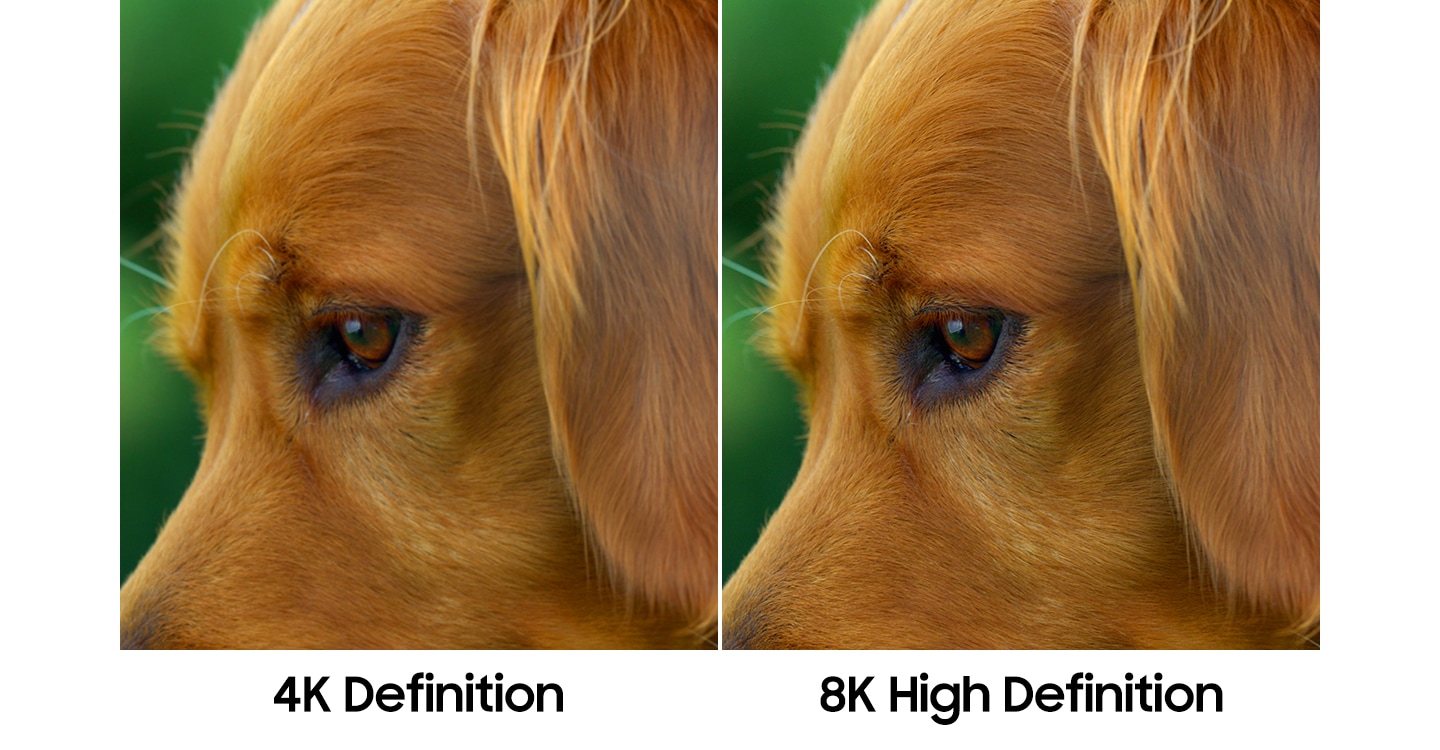
8K TV is the highest resolution TV that has been released recently among UHD (ultra high definition) TVs. With four times more pixels than a 4K TV—another type of UHD resolution—8K TVs show a sharper and more detailed picture quality. This is because in 8K TVs pixels are so small they cannot be distinguished even from close up, making highly detailed images a reality.
In fact, 8K resolution is so defined that watching a sports match can even feel like you’re right there in the stadium watching your favourite team.


Is 8K better than 4K?
Yes, 8K is technically better than 4K when it comes to resolution. Essentially the higher number of pixels means that they’re packed in more tightly, resulting in what is known as a high PPI - or Pixels Per Inch. In fact, 8K has:
• Four times as many pixels as 4K does
• Over 16 times more than a Full HD (FHD or 1080p) TV
As a result of this much higher definition than you get on other TV screens of the same size, you’ll get a much sharper and more detailed picture with 8K compared to other lower definition TVs.
With that said, whether an 8K TV is better for you as an individual depends on a few factors. For example, 8K TVs do cost more than a 4K one - so the latter might be more suitable for you if you have a smaller budget.
Learn more about what 4K is and 4K resolution in our helpful article.


Can the human eye see the difference between 8K and 4K?
Yes, the human eye can tell the difference between 4K and 8K resolution. Depending on your vision, you might be able to distinguish between the two from a distance, but you’ll definitely be able to tell when you’re relatively close to the screen - for example, if the TV is in a small-ish room such as a living room.
However, that’s not to say that you don’t feel all of the benefits of the 8K resolution without noticing. The image will appear sharper, even if you’re not able to pick out the individual features that make it seem so.
What is the best TV resolution?
8K is technically the best TV resolution. Of course, as technology evolves, the chances are that something even better will come onto the market that will offer an even higher resolution. But for now, 8K is technically the highest you’ll find that you can buy for your home. To compare the differences between the resolutions:
• 8K UHD (Ultra HD) - 7680 pixels x 4320 pixels
• 4K UHD (Ultra HD) - 3840 pixels x 2160 pixels
• 1440p (Quad HD) - 2560 pixels x 1440 pixels
• 1080p/FHD (Full HD) - 1920 pixels x 1080 pixels
• 720p/HD (High Definition) - 1280 pixels x 720 pixels


Are 8k TVs worth buying?
8K TVs are worth buying if you’re looking to buy a TV that will last you for a long time. Because 8K TVs are still new to the technology market, they are made to produce the best resolution that money can buy - so if the question is whether 8K is the best, the simple answer is yes. But there are a few considerations you might want to think about before you take the plunge.


Is there much 8K content available?
As 8K is a relatively new technology, there isn’t an overabundance of 8K content available to stream. However, 8K TVs do make use of what is known as “upscaling”, which is where the TV takes content in a lower definition and adjusts the quality to provide a full 8K cinematic viewing experience.
With that said, both Vimeo and YouTube are leading the way in that both do produce 8K content, so if you’re using either of those to stream then your TV won’t need to use upscaling tech to match the quality of your TV.


